BOTOX®

BOTOX®

Treat Fine Lines, Wrinkles, Excessive Sweating, TMJ, & Migraines.


BOTOX Cosmetic is an FDA – approved prescription medicine that... Read More

$13 per unit

Book Now
Dysport®

Dysport®

Treat Fine Lines, Wrinkles, Excessive Sweating, TMJ & Migraines.


Dysport is a highly... Read More

$4 per unit

Book Now
  • The Procedure

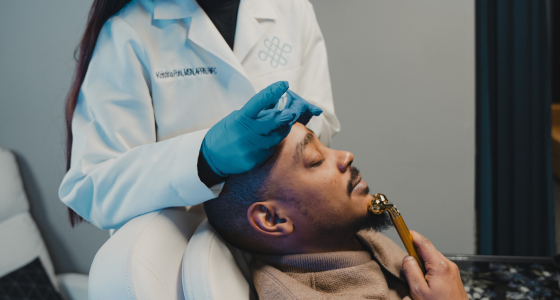
    Your Botox and Dysport appointment begins with a consultation to discuss your concerns, treatment goals, and facial movement patterns. Based on this evaluation, your provider will recommend Botox or Dysport and map out targeted injection points.

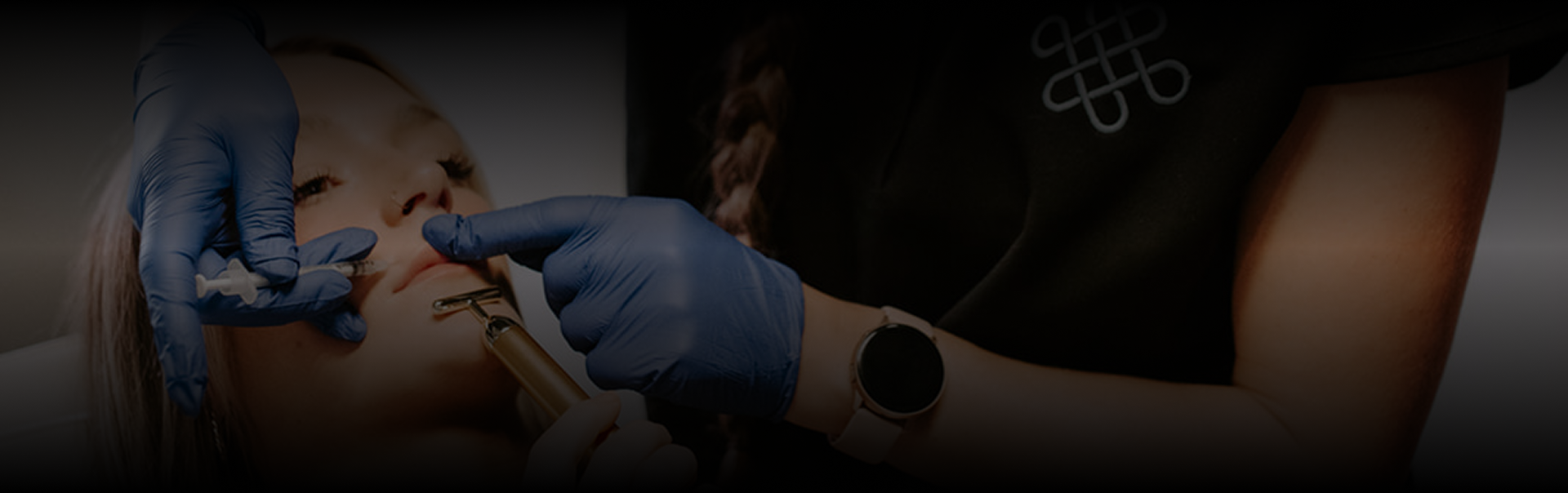
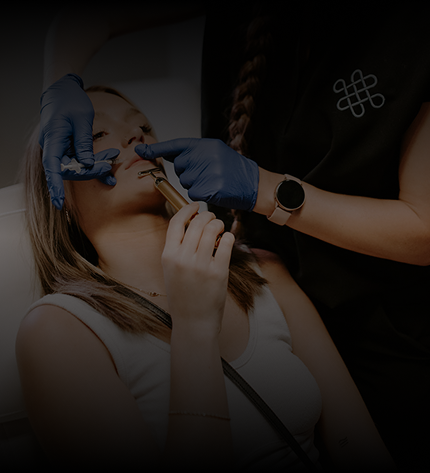
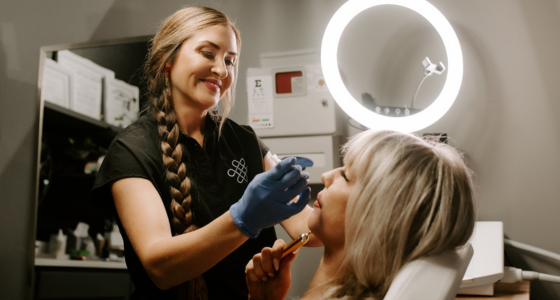
    Using a very fine needle, small amounts of product are injected into specific muscles. The treatment itself is quick, typically around 15 minutes, and involves minimal discomfort. There’s no required downtime, so most patients return to normal daily activities right after their visit.

    If you’re unsure whether Botox or Dysport is right for you, an aesthetic consultation can help explore your options.

  • The Results

    Botox and Dysport work by relaxing targeted facial muscles, which softens existing expression lines and helps slow the formation of new ones. Results gradually appear over several days, with full effects typically visible within 1-2 weeks.
    Most patients enjoy smoother-looking skin and refreshed facial expressions that still feel natural. Results usually last about 3-4 months, depending on factors like metabolism, treatment area, and dosage. These treatments are commonly used for cosmetic purposes and, in some cases, for therapeutic concerns such as jaw tension or excessive sweating, as determined during consultation.

Frequently Asked Questions

Are the treatments safe?

Botox & Dysport are FDA-approved and have been extensively studied for safety and efficacy when administered by trained professionals.

How does the product work?

Botox & Dysport are neuromodulators that temporarily block nerve signals to specific muscles, preventing them from contracting and causing wrinkles.

How long does it take to see results and how long do they last?

Some patients notice visible improvements within 7 days, but full results will appear within 7–14 days. The results typically last 3–4 months, depending on individual factors such as metabolism, dosage and the treated area, and exposure to extreme temperatures.

How much do 50 units of Dysport cost?

Pricing for Dysport is based on units used and individual treatment plans. Because Dysport units are measured differently than Botox units, cost comparisons aren’t one-to-one. Your provider will review pricing and expected unit ranges during your consultation so you know what to expect.

Is there any downtime after treatment?

There’s little to no downtime. Patients are usually advised to avoid strenuous exercise and rubbing the treated areas for 24 hours after injections.

Is there a way to receive this treatment at a lower cost?

Yes, we offer an Insider Tox Program that provides exclusive discounts and benefits for members. Ask your provider during your appointment for more information and how to join or join online.

Which is better, Dysport or Botox?

Neither is universally better. Botox and Dysport are similar products with slightly different formulations. Some patients prefer Dysport for larger treatment areas due to how it spreads, while others prefer Botox for more targeted control. Your provider can help determine which option fits your goals best.

Which lasts longer, Botox or Dysport?

Both typically last around 3-4 months. Duration varies from person to person based on metabolism, dosage, and the treated area rather than the product alone.

Aftercare
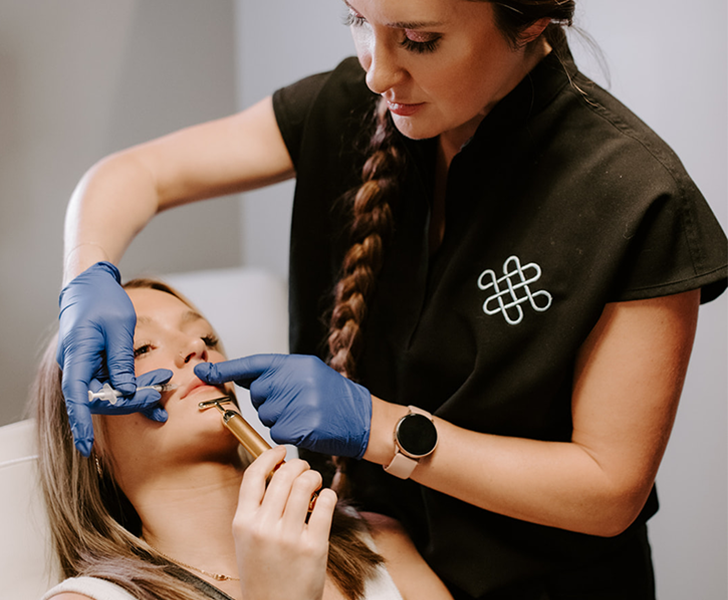
Following your treatment, avoid touching or massaging the treated areas for at least 24 hours. Refrain from strenuous exercise, heat exposure for 4 hours after your session. Minor redness, swelling, or bruising may occur but should subside quickly. To maintain your results, schedule follow-up treatments as recommended by your provider.

Reminders

Before your appointment, avoid alcohol and blood-thinning medications, such as aspirin or ibuprofen, for at least 24 hours to minimize bruising. During your consultation, inform your provider of any medical conditions or medications you are taking to ensure a safe and effective treatment.